Sleeper Cars to Skyfire: Rail and Seaplane Adventures in Canada’s North

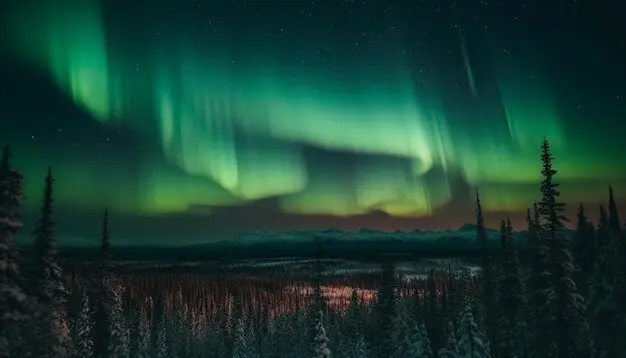
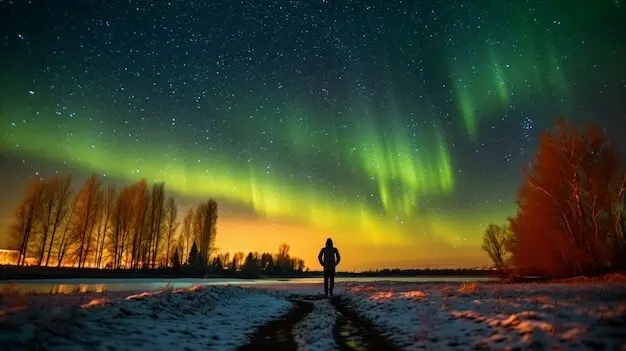
Join us for Northern Lights expeditions combining sleeper rail and charter seaplanes across Canada’s North, where panoramic windows, quiet berths, and floatplane docks become gateways to dancing auroras. We’ll blend real routes, field-tested tips, and heartfelt stories to help you plan boldly, travel safely, and witness skyfire with reverence.

The Rhythm of the Rails, The Freedom of the Floats

Overnight sleepers encourage slow observation—tea in the dome car, constellations beyond darkened glass—while floatplanes answer swiftly when clouds part over a distant bay. Switching modes lets you rest while moving, then pivot decisively toward clear skies, maximizing aurora chances without frantic driving or guesswork.

Reaching Remote Lakes Without Roads

Tundra lakes edged by spruce and lichen seldom meet highways, yet charter pilots know their shorelines intimately. With lighter loads and soft duffels, you can touch down where silence deepens, cabins glow, and horizons remain untouched, positioning yourself under darker, drier air that favors vivid curtains.

Sustainable Considerations and Practical Tradeoffs

Trains move many passengers efficiently and invite mindful pacing; seaplanes excel at short, targeted hops. Balance them thoughtfully: choose shared charters, pack light, travel shoulder seasons, and offset emissions. The reward is access with restraint, authenticity without excess, and a richer connection to places stewarded by communities.

Routes, Stops, and a Sample Itinerary That Actually Flows
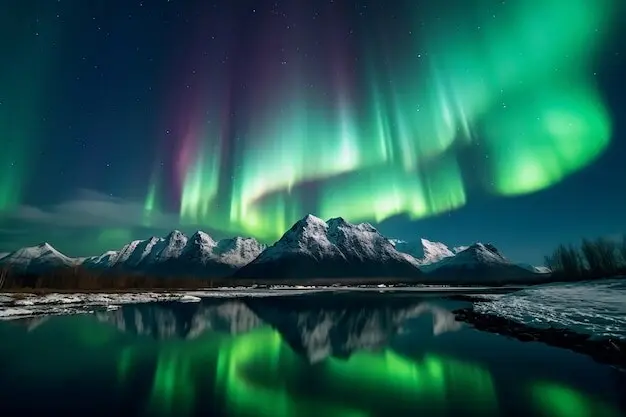
Canada’s North offers multiple entry points, but a flowing plan stitches them sensibly. Think sleepers to Churchill for tundra horizons, then floatplanes to inland lakes; or rail west before connecting north. Align nights with moon phases, spread weather risk, and weave culture into every layover, meal, and shoreline.

Aurora Science and Timing Without the Jargon Overload

Auroras dance where charged particles meet Earth’s magnetic field, favoring the auroral oval arching across the North. You don’t need a lab coat: follow forecasts, mind solar wind trends, choose dark hours, and align plans so your mobile lodging and aircraft pivot quickly when space weather spikes.

Comfort, Gear, and Camera Choices That Earn Their Weight

Comfort fuels perseverance. Warm berths, good meals, and intentional packing keep spirits high on frigid docks. Respect seaplane weight limits, choose soft-sided bags, and bring proven cold-weather layers. For images, favor wide, fast lenses, solid tripods, spare batteries, and simple workflows that still run when fingers numb.

Layering for Rail Lounges, Windy Tundra, and Frosty Docks

Start with moisture-wicking base layers, add high-loft insulation, and finish with a windproof shell. Pack down booties for the sleeper, microspikes for icy ramps, and mitts over liners for camera work. Test everything at home so zippers, cuffs, and hoods cooperate when temperatures tumble hard.

Packing to Seaplane Limits Without Losing What Matters

Many charters cap combined passenger and gear weights strictly, so weigh duffels early. Choose one versatile lens, compressible layers, and a compact tripod. Stash batteries and filters in accessible pouches. Soft bags stow better in floats, making loading faster, safer, and kinder to delicate optics.

Photo Settings That Deliver When Curtains Explode

Begin around ISO 1600–3200, f/1.8–f/2.8, and exposures between two and eight seconds, adjusting for motion and brightness. Focus manually at infinity, tape the ring, and disable long-exposure noise reduction. Practice with gloves, build presets, and keep batteries warm so cameras respond instantly to sudden surges.

People, Places, and Respectful Presence

Journeys north unfold through communities whose histories, languages, and stewardship shape every shoreline and sky. Hire local guides, listen first, and support businesses that mentor youth. Ask consent before recording stories, learn correct names, and carry out every trace so wild places remain welcoming for generations.

Working with Pilots and Guides Who Read Weather Like a Map

Bush pilots and northern guides combine instruments with textured memory—wave patterns, snow crystals, and distant cloud edges. Share intentions honestly, respect their calls, and plan generous buffers. Safety-first decisions often deliver beauty later, when timing, wind shifts, and your readiness align to meet luminous, shifting curtains.

Community Etiquette, Story Permission, and Giving Credit

Introduce yourself, learn greetings, and ask before photographing people or sacred places. When sharing online, confirm spellings, tag businesses properly, and cite guides who shaped decisions. Consider buying local art, attending cultural programs, and returning feedback so your presence strengthens relationships rather than merely consuming experiences.

Wildlife Awareness from Belugas to Bears

Summer brings belugas and birds; shoulder seasons and early winter may reveal fox tracks and polar bears near Churchill. Maintain distance, carry deterrents with trained guides, and never crowd shorelines. Prioritize viewing from boats or safe platforms, letting animals move freely while you photograph responsibly and quietly.

Contingencies, Costs, and Making Room for Magic

Weather flexes muscles here. Budget for buffer nights, consider refundable fares, and insure charters appropriately. Build two viewing windows at different locations, keep non-aurora activities ready, and remember that delays sometimes lead to friendships, rare light, or surprise wildlife encounters that become the unforgettable heartbeat of the journey.

Buffers, Vouchers, and Flexible Reservations You Will Actually Use

Hold two extra nights split between rail terminus and lodge, ask operators about weather vouchers, and protect crucial segments with refundable classes. Keep a short list of alternate lakes and pilots. Flexibility costs less than a missed display when clouds camp stubbornly above the primary plan.

Safety Briefings, Cold-Weather Risks, and When to Call It

Listen closely during floatplane briefings, secure loose gear, and memorize exits. Respect frostbite timelines, share hand warmers, and rotate lookout shifts. If winds roar or visibility dives, pause with gratitude. The sky returns, and rested eyes read openings faster when chances flash and vanish.
Laxisentozorikento
Privacy Overview

This website uses cookies so that we can provide you with the best user experience possible. Cookie information is stored in your browser and performs functions such as recognising you when you return to our website and helping our team to understand which sections of the website you find most interesting and useful.